

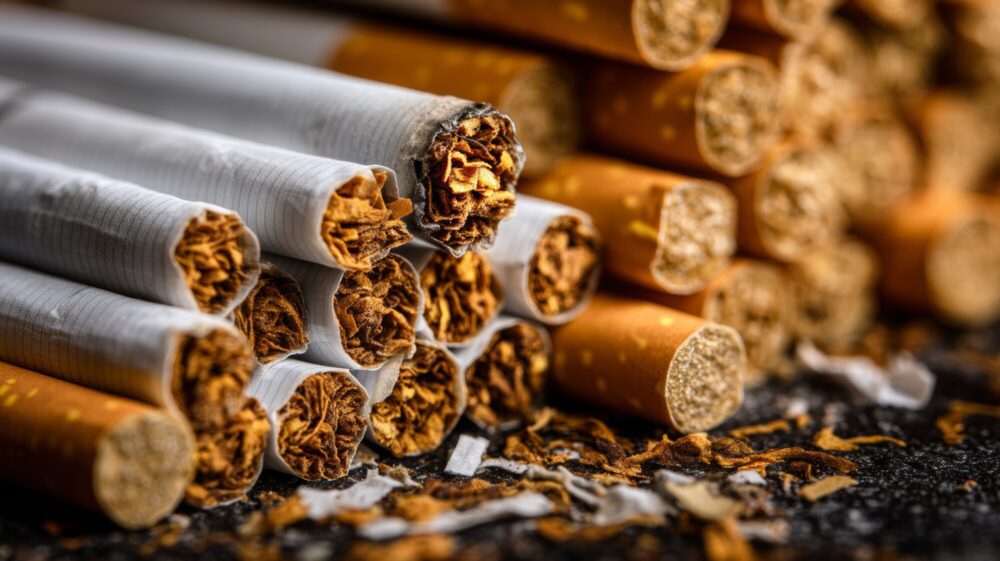
Retailers of tobacco are not only responsible for filling shelves and converting sales, but they also have obligations as well. Retailers work within laws created to advance policies to protect young people, restrict tobacco marketing and promote healthier communities. Responsible retailing is about knowing these obligations and exercising them daily. Here is the importance of responsible tobacco retailing:
1. Protecting Young People through Careful Sales
The primary role of a tobacco retailer is to make sure that minors are not consuming tobacco. Many laws contain age limits and/or regulations, and many regulations mandate age verification when it is questionable. Legislation in Canada identifies documents that can be used to verify age when buying native smokes online.
Age checks shouldn’t be expected to be optional with staff; it’s just part of the sales process. Retailers must ensure that staff is aware of the legal age, the types of documents that will be accepted and when it is forbidden to sell.
2. Compliance Builds Trust
Another component of responsible tobacco retailing is staying on top of changing regulations. Rules may have to do with product displays, packaging, advertising, promotions, record-keeping, or where product can be sold. For instance, the Canadian federal government regulates some of the terms in promotions and has requirements that impact tobacco products and their presentation.
But failing to adhere to these demands can lead to issues for companies and their staff. When a retailer regularly looks at its legal obligations, it will be better placed to avoid unintentionally breaching the law. It also provides clients and the public with a depiction of the business’s responsibilities.
3. Creating a Responsible Retail Environment
The retail setting may affect the perception of tobacco products, especially among youth. Tobacco that is on display in stores could act as a form of advertising and contribute to tobacco use, particularly among youth, according to the World Health Organization.
Therefore, responsible retailers should steer clear of a number of practices that may create the appearance of something attractive or lead to unnecessarily stimulating interest in tobacco products. The following are all examples of good retail controls that can be implemented, depending on local retail law:
· Displaying age restriction signs as vibrant and visible signs.
· Training all employees in age-verification procedures.
· Denying sales if identification is requested.
· After the ban on ads and ‘promotions’.
· Regularly auditing stores’ practices for compliance.
4. Responsible Retailing Supports Public Health
Tobacco cannot be consumed like ordinary consumer products because it involves health risk, dependency on its addictive ingredient, nicotine. Therefore, responsible retailing should not just be about a higher sales figure. It also ought to acknowledge the public health rationale for tobacco advertising, promotion and sales bans for minors.
Retailers play a role in this larger system. They can help keep tobacco out of irresponsible hands and out of the way of young people by adhering to the law and avoiding practices that might attract adolescents to pick up smoking. High compliance also helps overall tobacco exposure reduction efforts.
The bottom line is that it is really a matter of accountability in tobacco retailing. It is imperative that retailers know the rules that apply to them, and ensure that their staff is trained accordingly and that there are uniform procedures followed. If the standards are integrated into day-to-day business, these can help retailers to fulfill their legal obligations and help to create a more responsible retail environment.
