

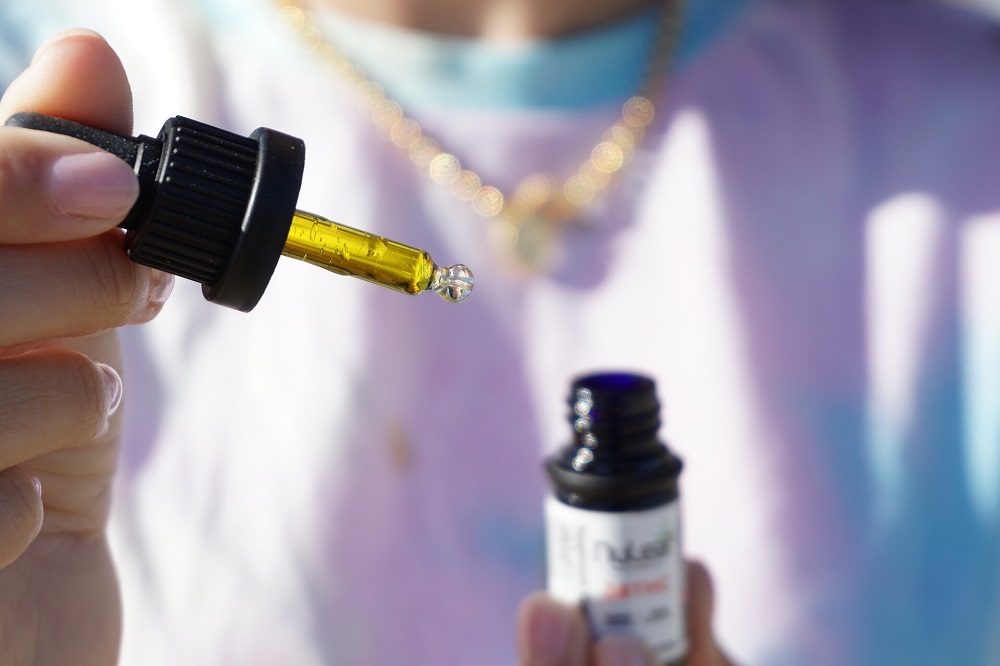
The meteoric rise of the cannabidiol (CBD) industry has altered the landscape of natural wellness and alternative health. Consumers utilize CBD products for a myriad of reasons, ranging from managing chronic inflammation and anxiety to promoting deeper sleep cycles. However, this explosive market expansion has occurred within an environment characterized by limited oversight and fragmented federal regulation. In the absence of strict, uniform enforcement from agencies like the Food and Drug Administration, the marketplace has historically been vulnerable to inconsistent product formulations, mislabeled packaging, and substandard manufacturing practices.
In this landscape, consumer skepticism is naturally elevated. Buyers are no longer willing to accept marketing slogans or unsupported therapeutic claims at face value. To establish long-term economic stability and survive in a highly competitive sector, companies must offer concrete proof of safety, purity, and potency. The primary vehicle for providing this proof is independent, third-party laboratory testing. By subjecting products to unbiased scientific scrutiny, brands convert abstract corporate claims into verifiable facts, constructing a foundational bridge of consumer trust that drives brand loyalty and mitigates systemic industry risk.
The Transparency Deficit in the Hemp Sector
To comprehend why independent verification carries such immense value, it is essential to analyze the structural trust deficit that has plagued the hemp industry since the passage of the 2018 Farm Bill. While that legislation successfully removed hemp-derived compounds from the Controlled Substances Act, it did not instantly establish a mature, standardized framework for everyday commerce.
This regulatory lag led to a gold rush mentality where many opportunistic operators entered the space. Numerous investigative reports and academic studies have revealed that a troubling percentage of retail and e-commerce CBD products are mislabeled. Some contain far less CBD than advertised, depriving consumers of the therapeutic doses they require. Others contain unauthorized levels of delta-9 tetrahydrocannabinol (THC), which can induce unwanted psychoactive effects and lead to catastrophic failures on employment drug screenings. Furthermore, without disciplined processing controls, raw hemp concentrates can accidentally introduce agricultural and industrial contaminants into the final consumer supply chain.
When a brand relies solely on in-house testing, it creates a classic conflict of interest. Consumers are inherently suspicious of internal laboratories because the business has a direct financial incentive to overlook defects or inflate potency figures to maximize profit margins. Third-party testing removes this bias from the equation entirely. An independent testing laboratory acts as an impartial scientific referee, ensuring that the data presented to the public is free from corporate manipulation or optimistic estimation.
Unpacking the Certificate of Analysis
The tangible deliverable of third-party testing is the Certificate of Analysis (COA). A COA is an official document issued by an accredited laboratory that details the exact chemical and biological composition of a specific batch of CBD products. For a brand looking to cultivate trust, making these documents easily accessible to the public is paramount.
A truly comprehensive COA is broken down into several specialized scientific panels, each serving a vital role in validating product safety and structural integrity.
Cannabinoid Profile and Potency Assessment
The potency panel measures the exact concentration of active cannabinoids within the product matrix. This data is usually expressed in milligrams per gram or milligrams per container milliliter.
-
It verifies that the consumer is getting the exact volume of active CBD they paid for on the label.
-
It measures minor cannabinoids like cannabigerol (CBG), cannabinol (CBN), and cannabichromene (CBC), which are critical for validating broad-spectrum or full-spectrum formulations.
-
It ensures strict legal compliance by verifying that the delta-9 THC content remains safely below the federal limit of 0.3 percent.
Heavy Metal Screenings
Hemp is an exceptionally strong bioaccumulator, meaning it naturally acts like a vacuum, absorbing elements, minerals, and compounds directly from the surrounding soil. If a crop is cultivated on land that was previously used for heavy manufacturing or intensive agriculture, the hemp plants will inevitably suck up dangerous heavy metals. Third-party testing screen for the big four toxic elements: lead, arsenic, cadmium, and mercury. The laboratory checks these levels down to parts-per-billion, confirming that the raw materials were sourced from clean, pristine soil.
Residual Solvent Testing
To extract CBD from raw hemp material, processors frequently utilize liquid solvents to separate the cannabinoids from the fibrous plant matter. While some top-tier companies employ clean methods like supercritical carbon dioxide extraction, others utilize cheaper hydrocarbon solvents such as butane, propane, or hexane. If the subsequent purging process is flawed, residual amounts of these hazardous chemicals remain trapped in the final oil. The residual solvent panel ensures that all volatile organic compounds have been completely removed or rest well below established human safety thresholds.
Pesticide and Herbicide Verification
Because hemp was federally prohibited for decades, very few agricultural chemicals have undergone thorough regulatory testing specifically approved for hemp cultivation. When farmers use unapproved pesticides to save their crops from insect infestations or mold, those chemicals become highly concentrated during the extraction process. Third-party laboratories screen for hundreds of distinct synthetic chemical pesticides and plant growth regulators, confirming that the final tincture, topical cream, or edible gummy is clean and safe for ongoing human consumption.
Microbiological and Mycotoxin Audits
Raw hemp biomass contains native moisture and organic matter, creating an ideal breeding environment for biological pathogens if harvested, dried, or stored improperly. Third-party audits screen for dangerous microbes, including Salmonella, harmful strains of Escherichia coli, yeast, and molds. They also check for mycotoxins, which are toxic secondary metabolites produced by fungi that can cause severe long-term liver damage and respiratory illness when ingested or inhaled.
The Operational Mechanics of Legitimate Testing
Not all third-party testing holds equal scientific weight. Brands that are deeply committed to building lasting trust do not simply hire any local commercial laboratory; they seek out testing facilities that adhere to the highest international operating procedures.
The ultimate gold standard for a testing laboratory is ISO/IEC 17025 accreditation. This certification indicates that an independent governing body has evaluated the laboratory and verified that its testing methods, staff competency, equipment calibration, and data management systems are scientifically valid, stable, and completely reproducible. When a CBD brand displays a COA from an ISO 17025-accredited laboratory, it indicates to sophisticated consumers and retail buyers that the test results are legally and scientifically unassailable.
Furthermore, authentic trust is established through the concept of batch-specific testing. Some companies engage in a deceptive practice known as dry-labbing or selective testing, where they test a single high-quality batch of oil and then use that single positive COA to market hundreds of subsequently manufactured batches over the course of several years. Legitimate quality assurance requires a separate, unique round of third-party testing for every single individual batch or lot number produced. This standard guarantees that the specific bottle sitting in a consumer’s hand matches the exact document hosted on the brand website.
Bridging the Education Gap and Digital Accessibility
Compiling scientific data is only half the battle; the true transformation of trust occurs when a brand successfully communicates that data to the everyday consumer. The average shopper does not possess an advanced degree in analytical chemistry, and a dense, multi-page document filled with scientific abbreviations, chromatograms, and statistical variations can quickly induce confusion or intimidation.
Forward-thinking CBD brands bridge this education gap by designing clean, user-friendly digital interfaces that contextualize lab results. They translate complex technical terms into plain language, clearly pointing out whether a product passed or failed each specific safety metric.
Moreover, accessibility must be seamlessly integrated into the physical product design. The modern industry standard involves printing a unique, scannable QR code directly onto the product wrapper or box. When a consumer scans this code with their smartphone camera while standing in a retail aisle, it should instantly route them directly to the exact batch-specific COA for that specific unit. This level of frictionless transparency removes all doubt, allowing the customer to make a fully informed purchasing decision in real time.
The Long-Term Economic Advantages of Third-Party Validation
While implementing a rigorous, multi-panel third-party testing protocol requires substantial ongoing financial investments, the long-term commercial advantages far outpace the operational costs. Testing should not be viewed as an expensive compliance burden, but rather as an essential investment in foundational brand equity.
Reducing Liability and Recalls
In the modern consumer marketplace, a single high-profile product contamination incident or false advertising lawsuit can permanently destroy a brand’s reputation and result in complete financial liquidation. Regular, systemic third-party testing catches manufacturing errors, misformulations, and contaminated raw materials before they ever leave the warehouse facility, mitigating the threat of devastating product recalls and civil class-action litigation.
Unlocking Institutional Retail Opportunities
Major national retail pharmacies, grocery chains, and global e-commerce platforms are eager to participate in the lucrative CBD market, but they are hyper-sensitive to legal and reputational risks. These corporate buyers maintain highly strict vendor compliance guidelines. A CBD brand that cannot provide a flawless history of batch-specific, ISO-accredited COAs will be immediately disqualified from securing valuable shelf space. Independent testing is the literal passport required to transition from small-scale online distribution to massive, mainstream retail placement.
Elevating the Entire Hemp Industry
Every individual brand that adopts radical transparency contributes to the stabilization and normalization of the broader hemp sector. As consumer awareness rises, substandard operations that refuse to validate their products are naturally driven out of the market by consumer choice. This upward trend in quality standards elevates the public perception of CBD, transitioning it from a controversial, misunderstood substance into a widely accepted, trusted fixture of global consumer health and wellness.
Frequently Asked Questions
What is the specific difference between a third-party laboratory and an in-house laboratory?
An in-house laboratory is owned, operated, and staffed directly by the manufacturing company itself, meaning the technicians are corporate employees who have a vested interest in the financial success of the products being evaluated. A third-party laboratory is a completely independent, separate commercial entity with no financial ties, equity stakes, or shared corporate leadership with the CBD brand. This structural separation ensures that the third-party lab has no bias and will report accurate results regardless of whether a product passes or fails.
What should a consumer do if a CBD product lacks a QR code or an accessible COA?
If a CBD product does not feature an accessible QR code or a clear batch number linking to a public Certificate of Analysis, it is strongly advised to avoid purchasing or consuming that product. A total lack of transparent testing data indicates that the company is either failing to test its batches for safety or is actively concealing negative results, such as the presence of heavy metals, residual solvents, or illegal levels of psychoactive THC.
How often should a reputable CBD company send its product formulations out for independent testing?
A reputable company must send every single individual production run, also known as a batch or lot, out for independent testing. Testing should never be treated as a quarterly or annual occurrence. Because hemp is an organic agricultural crop that changes from season to season and manufacturing equipment can experience mechanical drift over time, batch-by-batch testing is the only way to ensure total uniformity, safety, and potency across a product line.
Can a laboratory detect if the CBD in a product is synthetic rather than plant-derived?
Yes, advanced third-party analytical laboratories utilizing specialized testing methods can distinguish between natural, hemp-derived CBD and synthetic CBD molecules produced in a laboratory. They accomplish this by analyzing the specific isotopic footprint of the carbon atoms or by screening for unique chemical byproducts and catalysts that are only present during synthetic chemical synthesis but are completely absent in organic plant extracts.
What does it mean when a specific panel on a COA displays a result of ND?
The abbreviation ND stands for Non-Detectable or Not Detected. When this notation appears next to a category like heavy metals, pesticides, or residual solvents, it means the analytical equipment used by the laboratory was unable to find any traceable trace of that harmful substance within the sample down to the lowest detectable limit of the machinery, indicating that the product is exceptionally clean and safe.
Why do different third-party laboratories sometimes get slightly different potency results for the exact same batch of CBD oil?
Slight variances in potency results between different accredited laboratories are completely normal and fall under a scientific concept known as acceptable measurement uncertainty. These minor discrepancies occur due to slight differences in the brand of testing machinery used, the specific extraction methods employed to prepare the sample for analysis, environmental humidity within the lab facility, and variations in sample handling protocols, which is why an allowance of up to ten percent variance is generally accepted within the industry.
