

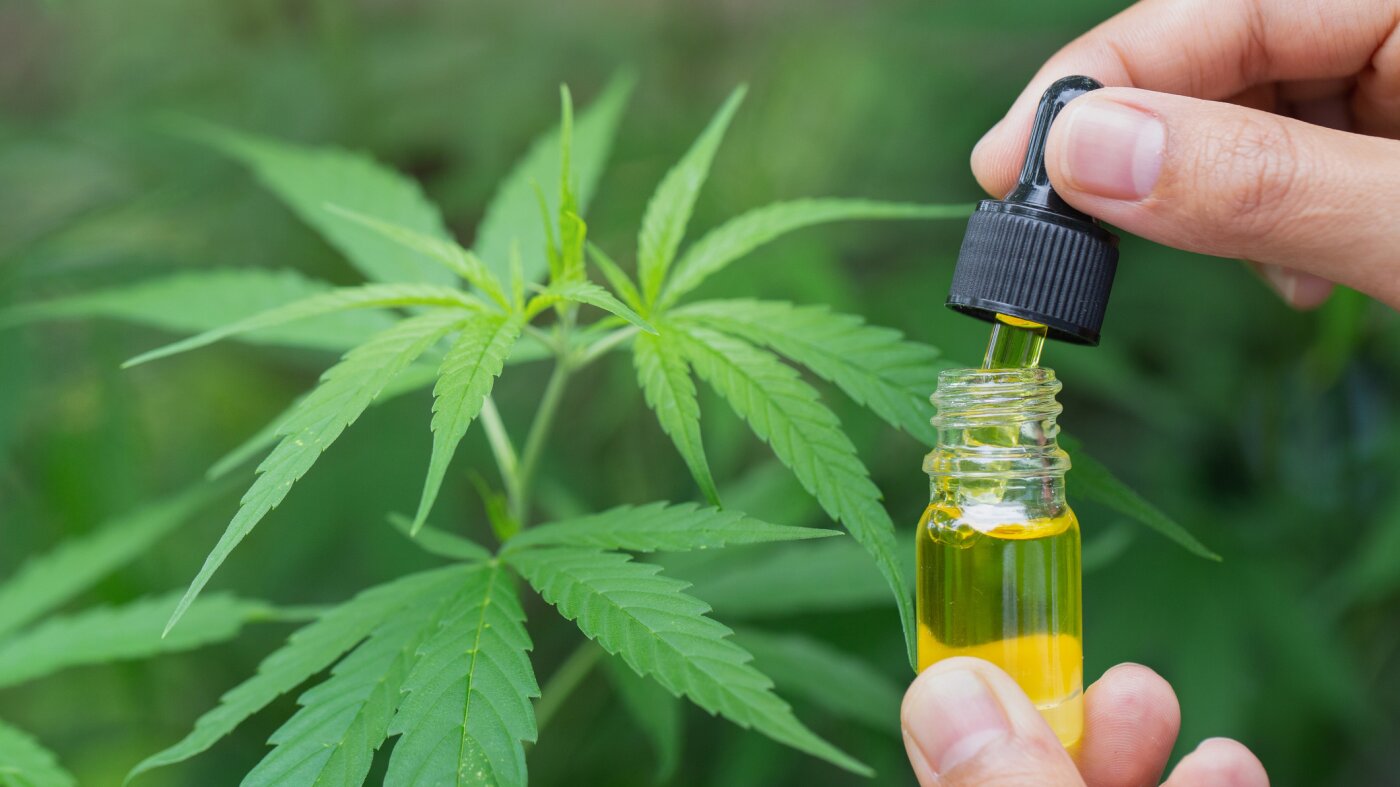
Introduction: A Plant Reclaimed by Time and Inquiry
For centuries, hemp and cannabis occupied a complex space in human civilization—revered in ancient traditions, yet misunderstood and restricted in modern times. Today, a remarkable shift is underway. What was once marginalized is now experiencing a revival fueled by scientific validation and changing societal attitudes. At the heart of this transformation lies CBD (cannabidiol), a compound that is quietly reshaping how we think about wellness, medicine, and the relationship between nature and innovation.
This evolving narrative is not merely about a plant. It reflects a deeper convergence of traditional knowledge and cutting-edge research, where ancient remedies are being reinterpreted through the lens of modern science.
The Roots of Hemp and Cannabis in Traditional Cultures
Long before laboratories began isolating cannabinoids, civilizations across Asia, the Middle East, and Africa had already recognized the plant’s potential. Hemp fibers were used for textiles and rope, while cannabis extracts found their way into medicinal preparations.
In traditional systems such as Ayurveda and Chinese medicine, cannabis was valued for its therapeutic properties. It was used to address:
- Pain and inflammation
- Digestive disorders
- Sleep disturbances
- Stress and anxiety
These applications were based on observation and experience rather than clinical trials, yet they revealed an intuitive understanding of the plant’s interaction with the human body.
However, as global regulations tightened during the 20th century, much of this traditional wisdom was overshadowed by stigma and legal restrictions.
The Scientific Rediscovery of CBD
The modern renaissance began when researchers started to isolate and study individual compounds within cannabis. Among over a hundred cannabinoids, CBD emerged as particularly intriguing.
Unlike THC (tetrahydrocannabinol), CBD does not produce intoxicating effects. Instead, it interacts subtly with the body’s endocannabinoid system—a network of receptors involved in maintaining balance across various physiological processes.
Scientific studies have highlighted CBD’s potential in areas such as:
- Neurological health
- Chronic pain management
- Anxiety and mood regulation
- Anti-inflammatory responses
This growing body of research has repositioned cannabis from a controversial substance to a legitimate subject of medical and pharmacological interest.
Bridging Tradition and Science
What makes CBD truly remarkable is its role as a bridge between two seemingly opposing worlds: traditional herbal medicine and evidence-based science.
1. Validation of Ancient Practices
Many traditional uses of cannabis are now being revisited with scientific rigor. For instance, its historical application in pain relief aligns with modern findings on CBD’s anti-inflammatory properties.
2. Precision and Standardization
While traditional remedies relied on approximate dosages, modern science enables precise formulation. CBD oils, capsules, and topical products are now standardized for consistency, ensuring predictable outcomes.
3. Expanding Therapeutic Horizons
Scientific advancements are uncovering new possibilities that ancient practitioners could not have imagined, including potential roles in neuroprotection and immune system modulation.
This synergy does not replace tradition; it refines and elevates it.
The Wellness Industry and CBD’s Rapid Rise
CBD has become a cornerstone of the global wellness industry. From boutique skincare lines to functional beverages, its presence is widespread and rapidly expanding.
Several factors contribute to this surge:
- Increased consumer interest in natural remedies
- Growing awareness of mental health and stress management
- A shift toward preventive healthcare
CBD products now span diverse categories, including:
- Oils and tinctures for daily wellness
- Topical creams for localized relief
- Edibles and beverages for convenience
- Skincare formulations targeting inflammation and aging
This commercialization, while beneficial in expanding access, also raises important questions about quality, regulation, and consumer education.
Challenges in the Modern CBD Landscape
Despite its promise, the CBD industry is not without complications. The rapid pace of growth has outstripped regulatory frameworks in many regions, leading to inconsistencies in product quality and labeling.
Key challenges include:
- Regulatory ambiguity: Laws governing CBD vary widely across countries and even within regions.
- Quality control: Not all products meet rigorous standards, making third-party testing essential.
- Misinformation: Overstated claims can undermine credibility and mislead consumers.
Addressing these issues requires collaboration between scientists, policymakers, and industry leaders to ensure that CBD’s potential is realized responsibly.
The Role of Innovation in CBD Research
Modern science continues to push the boundaries of what CBD can achieve. Advanced research techniques are enabling deeper insights into how cannabinoids interact with the human body.
Emerging areas of exploration include:
- Personalized medicine: Tailoring CBD use based on individual genetic profiles
- Nanotechnology: Enhancing bioavailability for more effective absorption
- Combination therapies: Integrating CBD with other compounds for synergistic effects
These innovations are transforming CBD from a generalized wellness supplement into a sophisticated tool for targeted health interventions.
Cultural Shifts and Changing Perceptions
Beyond science, the resurgence of hemp and cannabis reflects a broader cultural shift. Public perception is evolving from skepticism to acceptance, driven by education and transparency.
This shift is evident in:
- Increased mainstream media coverage
- Growing investment in cannabis research and startups
- Greater openness among healthcare professionals
The conversation is no longer confined to niche communities; it has entered the global mainstream, reshaping societal attitudes toward plant-based medicine.
Sustainability and the Hemp Advantage
Hemp, a variety of the cannabis plant, offers environmental benefits that align with modern sustainability goals. It grows quickly, requires minimal pesticides, and improves soil health.
Its applications extend far beyond CBD, including:
- Biodegradable textiles
- Eco-friendly construction materials
- Renewable biofuels
This versatility positions hemp as a key player in the transition toward more sustainable industries, reinforcing its relevance in both traditional and modern contexts.
A Balanced Perspective on the CBD Revolution
While enthusiasm for CBD is well-founded, it is important to maintain a balanced perspective. Not every claim is supported by robust evidence, and individual responses can vary.
Consumers and professionals alike should approach CBD with:
- Critical thinking
- Awareness of credible research
- Consideration of individual health needs
This measured approach ensures that the integration of CBD into modern life remains grounded in both optimism and responsibility.
Conclusion: A Convergence That Redefines Wellness
The story of hemp and cannabis is no longer one of controversy and constraint. It is a narrative of rediscovery, where ancient practices are being illuminated by modern science. CBD stands at the center of this transformation, acting as a conduit between tradition and innovation.
This convergence is more than a trend; it represents a fundamental shift in how we understand health and healing. By honoring the past while embracing scientific progress, CBD is helping to redefine wellness in a way that is both timeless and forward-looking.
